The Science of the Poker Face: What Your Micro-Expressions Are Really Giving Away
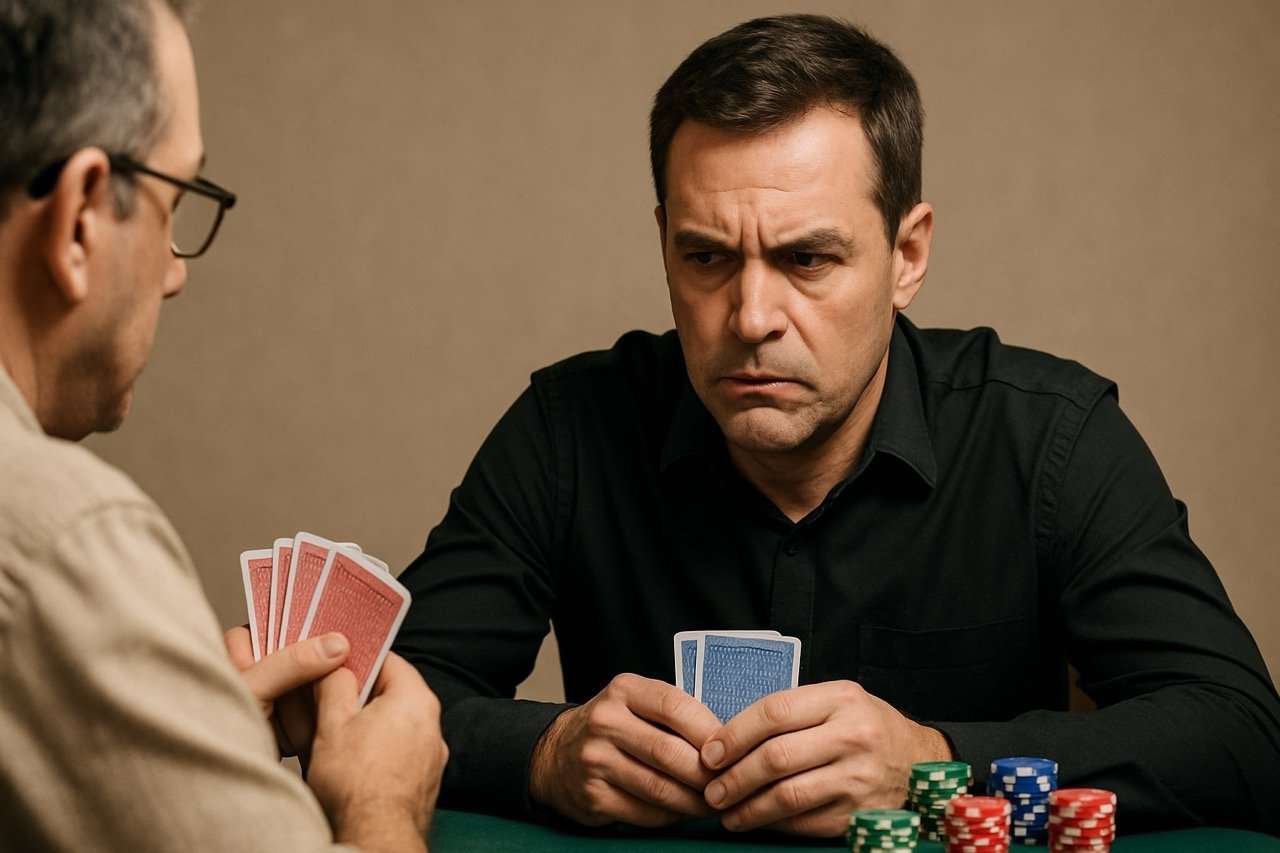
You know that moment when you’re sitting across from Dave at your weekly poker night, and something just feels… off? He’s got the same stone-cold expression he always wears, but there’s this tiny twitch near his left eye that wasn’t there five minutes ago. Your gut is screaming “bluff,” but you can’t quite put your finger on why.
Well, turns out your gut might be onto something bigger than you think.
Your Face Is a Terrible Liar (Even When You Think It’s Not)
Here’s the thing that blew my mind when I first read about it – we make something like 10,000 facial expressions every single day, and most of them happen without us even realizing it. Paul Ekman, the psychologist who basically invented the science of reading faces, found that we’ve got these “micro-expressions” that flash across our faces in about 1/25th of a second.
That’s faster than you can blink. Literally.
So while you’re sitting there thinking you’ve got the perfect poker face, your brain is basically throwing a tiny facial tantrum every time you look at your cards. The crazy part? Some people – maybe 1 in 200 – are naturally gifted at catching these split-second tells. The rest of us just get that weird “something’s not right” feeling.
The Classic Tells Your Friends Are Definitely Giving Away
After hosting poker nights for the better part of a decade, I’ve started to notice patterns. And honestly, once you see them, you can’t unsee them:
The Mouth Thing: When people are lying or bluffing, their lips tend to get thinner. Like, they literally press them together tighter. I’ve got one friend who does this so consistently that I started calling it “the line” – when his mouth turns into a flat line, I know he’s full of it.
Eye Contact Weirdness: This one’s tricky because everyone’s different. Some people avoid eye contact when they’re bluffing, others suddenly become super intense with the staring. The key is knowing what’s normal for each person. My buddy Mark? Usually looks around the room casually. When he’s bluffing, he locks eyes like he’s trying to hypnotize you.
The Comfort Zone Shuffle: Stress makes people fidgety, and bluffing is stressful. Watch for sudden changes – the guy who’s been slouching all night suddenly sits up straight, or the person who’s been still as a statue starts bouncing their leg.
Why Home Games Are Actually Perfect for Reading People
Here’s where it gets interesting for us home game heroes. Casinos are designed to mess with your head – bright lights, weird carpets, that constant ding-ding-ding of slot machines. Your brain is already on overload before you even sit down at a table.
But your living room? That’s your turf. Everyone’s more relaxed, which means their natural behaviors come out more. Plus, you’re playing with the same people week after week, so you start to build this mental database of everyone’s quirks.
I remember this one hand from maybe two years ago – Jennifer had pocket aces, and I knew it because she did this tiny thing with her shoulders that she always does when she’s got a monster hand. It’s like a little shrug, but just on one side. Took me months to notice the pattern, but once I did? Game changer.
The Dark Side of Reading People (Yes, There Is One)
Okay, real talk for a second. Getting good at reading micro-expressions can mess with your head a bit. You start noticing when your spouse is annoyed before they even know they’re annoyed. You catch your kids in lies before they’re even done telling them. It’s like having a superpower that you didn’t necessarily ask for.
And in poker? Sometimes ignorance really is bliss. I’ve had nights where I was so focused on reading everyone that I forgot to actually play good poker. Don’t let the psychology stuff take over the fundamentals.
Building Your Tell-Reading Superpowers
If you want to get better at this stuff (and honestly, why wouldn’t you?), here’s what’s worked for me:
Start with one person at a time. Pick the most expressive player at your table and just… watch. Not in a creepy way, but notice their patterns. How do they act when they’re confident versus nervous? What changes when they’re bluffing versus value betting?
Also, pay attention to timing. The speed at which someone makes decisions can be just as revealing as their facial expressions. Quick calls often mean strong hands, while long pauses followed by aggressive betting? That’s often a bluff trying to look like deep thought.
The Bottom Line
Look, poker will always be part skill, part luck, and part mind games. But understanding the science behind reading people? That’s like adding a turbo boost to the mind game part. You’re not trying to become some sort of human lie detector – you’re just looking for edge cases, those moments when someone’s behavior doesn’t match their betting pattern.
And honestly? Even if you never use any of this at the poker table, it’s pretty fascinating stuff. We’re all walking around wearing our emotions on our faces, most of the time without even knowing it.
Just… maybe don’t tell your regular poker crew that you’ve been studying this stuff. Some advantages are better kept secret.
Ready to put your new people-reading skills to the test? Make sure your home game setup is as professional as your play. Check out our poker table tops and chip sets to create the perfect environment for your next psychological poker battle.